Explore all Game Modes in the Traffic Rider | A Comprehensive Guide
Mobile racing games often feel repetitive after a few rounds. Traffic Rider avoids that problem with smart design and varied gameplay. Every ride feels different. Heavy traffic changes your timing. Fast corners test control. Long highways reward patience. That balance keeps players engaged for months.
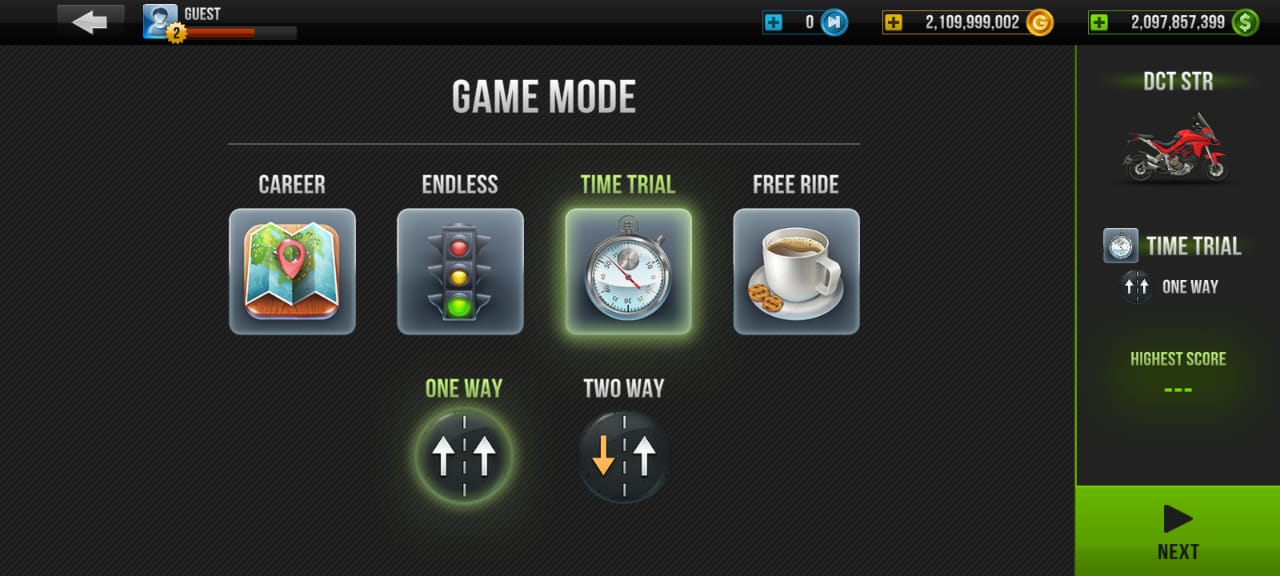
The real strength of this title comes from its variety. The different Traffic Rider game modes create unique challenges for every skill level. Some riders enjoy endless survival runs. Others prefer mission based progression. Many players simply cruise through highways to relax after a long day. That flexibility gives the game broad appeal across the United States gaming audience.
According to the official Google Play listing, Traffic Rider crossed millions of downloads because of its immersive first person racing style and realistic motorcycle physics. You can review the official game page here:
Traffic Rider is available on the official Google Play listing, which shows its features and gameplay details.
Game Modes in Traffic Rider
The game modes in Traffic Rider shape the complete riding experience. Every mode teaches a different skill. One improves timing. Another sharpens reflexes. Some modes focus on survival while others reward precision. This layered structure keeps gameplay fresh and rewarding.
Unlike many arcade racers, Traffic Rider uses dynamic traffic flow and realistic movement patterns. Cars switch lanes suddenly. Trucks block visibility. Night rides reduce reaction time. These details create tension during every session. The game feels more like a living highway than a scripted racing track.
| Mode | Main Focus | Best For | Skill Level |
|---|---|---|---|
| Career Mode | Missions and rewards | Progression players | Medium |
| Endless Mode | Survival distance | Competitive riders | Hard |
| Time Trial Mode | Speed under pressure | Fast reaction players | Medium |
| Free Ride Mode | Relaxed practice | Beginners | Easy |
Career Mode
The Traffic Rider career mode gives players long term progression and structured challenges. Each mission introduces fresh road conditions and different traffic density. Early stages remain simple. Later missions become intense and demand complete focus.
Many riders enjoy this mode because progression feels natural. Players earn cash after finishing objectives. That money unlocks stronger motorcycles with faster acceleration and sharper braking. The upgrade path creates motivation to improve riding skills over time.
The mission design also deserves attention. Some levels focus on speed. Others test endurance inside crowded traffic. Certain missions push players into risky overtakes during nighttime rides. This variation prevents repetition and strengthens the overall racing progression system.
Another strong feature involves bike customization. Riders can improve handling, brakes, and speed separately. Smart upgrades often matter more than expensive motorcycles. Skilled players usually focus on control first. Better handling improves survival during dense traffic situations.
| Career Mode Feature | Benefit |
|---|---|
| Mission progression | Keeps gameplay rewarding |
| Cash rewards | Unlocks faster bikes |
| Traffic variation | Improves reaction skills |
| Bike upgrades | Enhances control |
Many beginners searching for how career mode works in Traffic Rider often overlook road awareness. Fast riding alone will not complete advanced missions. Successful players study vehicle movement carefully. They predict lane changes before they happen. That habit reduces crashes and improves consistency.
Endless Mode
The Traffic Rider endless mode delivers nonstop highway action. There is no finish line. The road continues forever while traffic becomes more dangerous over time. Players survive as long as possible while collecting points through risky movement and close overtakes.
This mode rewards courage and precision equally. Riding near vehicles increases score multipliers. However, aggressive riding also raises crash risk. That balance creates intense moments during high speed runs. A single mistake can destroy a strong session instantly.
Experienced players rely heavily on smooth movement. Sudden steering creates panic and causes crashes. Skilled riders maintain stable positioning between lanes. They watch distant traffic instead of focusing only on nearby vehicles. That technique improves survival during chaotic moments.
Many searches around Traffic Rider endless mode tips focus only on speed. In reality, rhythm matters more. Good players create a steady flow between vehicles. They avoid unnecessary lane switching. Calm movement often leads to better scores than reckless aggression.
The sound design also increases immersion. Engine noise changes naturally during acceleration. Wind effects grow louder at higher speeds. Combined with realistic traffic movement, the mode creates an intense motorcycle traffic racing atmosphere.
| Endless Mode Strategy | Result |
|---|---|
| Stay near lane edges | More escape space |
| Avoid sharp turns | Better stability |
| Watch distant traffic | Faster reactions |
| Maintain rhythm | Longer survival |
Time Trial Mode
The Traffic Rider time trial mode transforms every second into pressure. Players race against the clock while covering maximum distance. The mode rewards clean movement and fast reactions instead of reckless acceleration.
Traffic density creates the biggest challenge here. Vehicles appear quickly and leave little room for hesitation. Riders must react instantly without losing momentum. That pressure makes this mode exciting from start to finish.
Motorcycle selection matters greatly in this challenge. Heavy bikes struggle during tight overtakes. Lightweight motorcycles turn faster and recover speed quickly after braking. Many players searching for the best bike for time trial mode in Traffic Rider choose balanced motorcycles instead of pure speed machines.
The mode also improves overall driving skill. Frequent practice sharpens reflexes and strengthens decision making. Players learn how traffic behaves under pressure. Those lessons help inside every other mode later.
Strong riders also understand timing. They avoid risky overtakes unless absolutely necessary. Preserving momentum matters more than chasing dangerous gaps. This smart approach increases distance consistently during competitive runs.
Free Ride Mode
The Traffic Rider free ride mode removes pressure completely. There are no missions, countdowns, or score targets. Riders simply explore highways at their own pace. This creates a calm atmosphere compared to the tension found in other modes.
New players benefit greatly from this feature. They can practice braking, cornering, and overtaking safely. Free Ride Mode helps riders understand motorcycle handling before entering difficult challenges. Many users searching for Traffic Rider free ride mode explained use it as a training ground.
The environment also feels surprisingly immersive. Long roads stretch across deserts, cities, and nighttime highways. Dynamic lighting improves realism during sunset rides. Small environmental details make the roads feel believable and alive.
Advanced players often return here after difficult sessions. Relaxed riding helps improve focus and consistency. It also provides space to test upgraded motorcycles without pressure. That freedom gives the mode long term value beyond beginner practice.
| Free Ride Benefit | Why It Matters |
|---|---|
| No pressure | Relaxed gameplay |
| Practice environment | Better bike control |
| Test motorcycles | Compare upgrades |
| Explore highways | Enjoy scenery |
Conclusion
Final Verdict
The all game modes in Traffic Rider work together to create a balanced and rewarding racing experience. Career Mode builds progression. Endless Mode tests survival. Time Trial sharpens reflexes. Free Ride encourages practice and exploration.
Players who understand these systems improve faster and enjoy the game more deeply. Each mode strengthens different riding habits. That variety keeps gameplay exciting even after hundreds of races. The game never feels trapped inside one repetitive formula.
Traffic Rider succeeds because it combines realism with accessibility. Smooth controls, detailed sound effects, and responsive traffic systems create a strong sense of immersion. Whether you enjoy relaxed cruising or intense highway survival, the game offers a satisfying experience for every riding style.